Премиальная медицинская помощь в Турции
Ощутите медицинское обслуживание мирового уровня с подтверждённым качеством, международными стандартами и персонализированным подходом, адаптированным под ваши потребности.
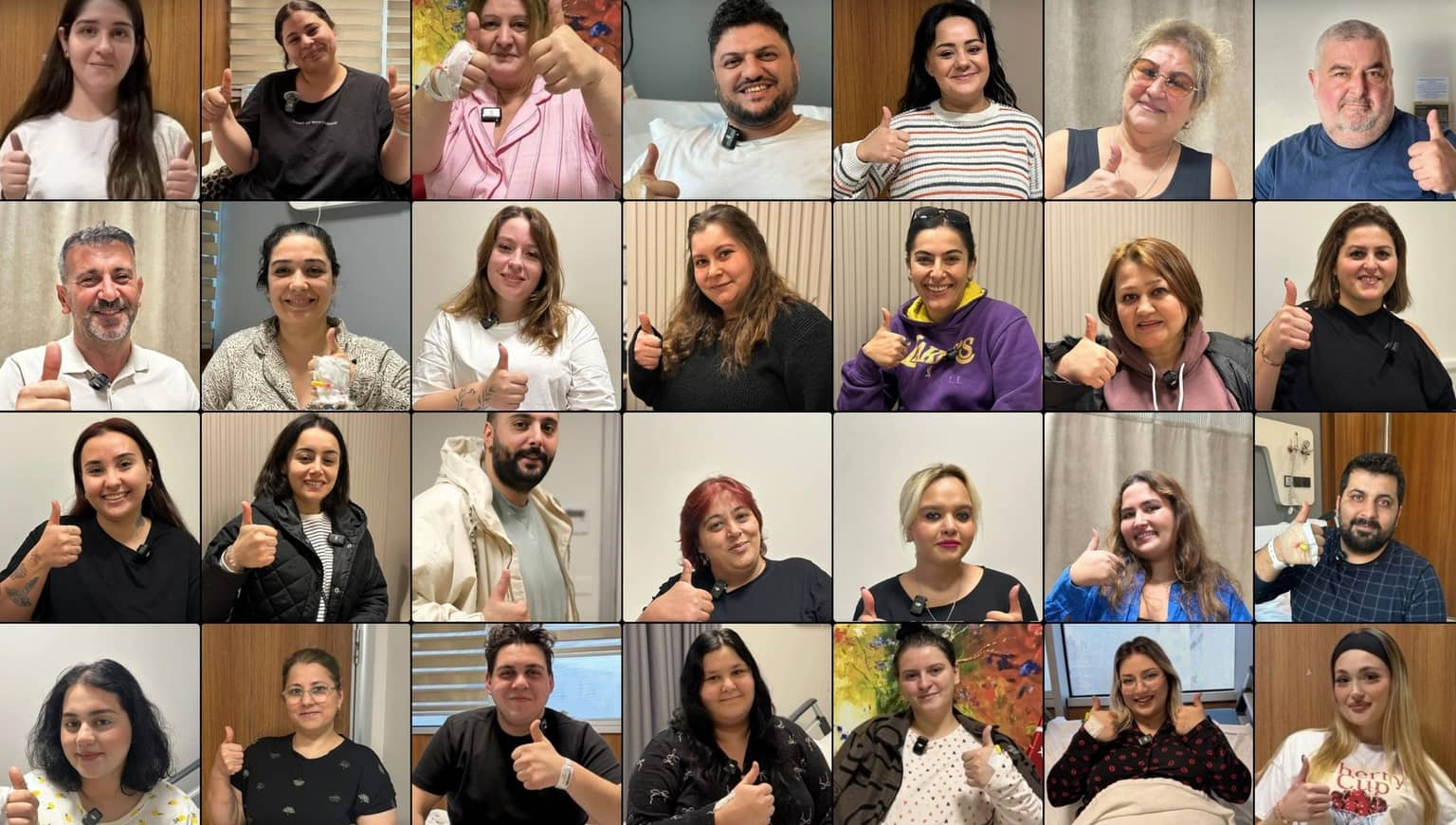
Пациенты со всего мира
Стамбул, Турция
Высококвалифицированная медицинская команда


НАШИ ПРОЦЕДУРЫ

Гастрическое сужение
Группа компаний Alika Health Group гарантирует стойкое снижение веса с помощью операции по уменьшению желудка в Турции, обеспечивая долгосрочную поддержку процесса похудения благодаря профессиональной и преданной своему делу команде.
Узнать больше
Гастрическое шунтирование
Операция гастрошунтирования в Турции предоставляет уникальную возможность для людей, борющихся с ожирением.
Узнать больше
Гастрический баллон
Начните путь к более здоровому образу жизни с профессиональной поддержкой Alika Health Group.
Узнать больше
Метаболическая хирургия
Верните контроль над диабетом с помощью персонализированной метаболической хирургии в Alika Health Group.
Узнать больше
Ревизионная хирургия
Добейтесь лучших результатов с ревизионной хирургией, подобранной под ваши потребности в Alika Health Group.
Узнать больше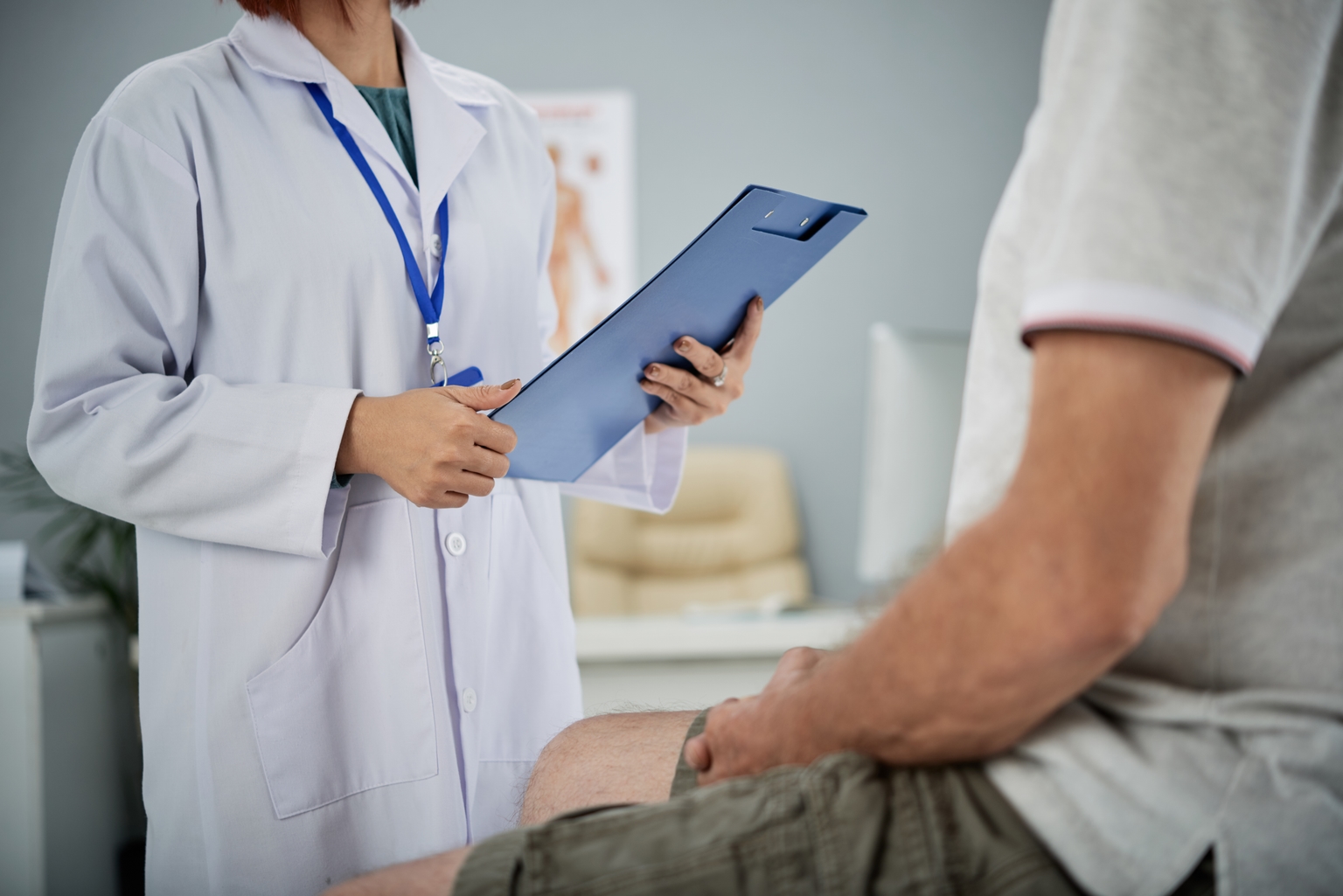
Медицинские осмотры
Alika Health Group предлагает комплексные премиальные пакеты медицинского обследования в Турции, сочетающие современную диагностику с персонализированным подходом.
Узнать большеМеждународный сертификат
Признано ведущими международными организациями в сфере здравоохранения, включая ISO и Министерство здравоохранения Турции. Наши сертификаты подтверждают нашу приверженность поддержанию высочайших стандартов медицинского качества и безопасности пациентов во всем мире.
Почему Alika — ваш идеальный выбор?
ВАШ ПУТЬ К НОВОМУ ВАМ
ДО ПОЕЗДКИ
Бронирование
После внесения депозита дата вашей операции официально резервируется.
Частная группа пациента
Перед операцией мы создадим для вас частную группу в WhatsApp, где будут наши координаторы, медсёстры, врачи и команда больницы. Не стесняйтесь задавать любые вопросы.
Руководство перед операцией
Вам будет предоставлено руководство перед операцией, включающее: • Медицинские процессы • Рекомендации по питанию • Необходимые вещи • Советы по сбору чемодана и важную информацию.
Исследуйте Стамбул
Если вы хотите увидеть достопримечательности Турции, особенно чарующий Стамбул, мы можем организовать для вас экскурсию по городу или частную прогулку на яхте по Босфору на закате. Пожалуйста, сообщите нашей команде заранее!
ДЕНЬ ПОЕЗДКИ
VIP-встреча и трансфер
Как только вы приземлитесь в Стамбуле, наша команда VIP-трансфера встретит вас в аэропорту и доставит прямо в больницу.
Первая остановка: больница
В тот же день будут проведены все необходимые анализы, вы встретитесь с хирургом и останетесь на ночь в больнице.
Завтра — важный день
Время немного отдохнуть. Остался всего один шаг до вашей мечты.
ДЕНЬ ОПЕРАЦИИ
Операция
Вы встретитесь с врачом для финальной консультации, будут сделаны разметки и уточнены детали. Операция длится около 1–2 часов, в зависимости от типа процедуры.
После операции
После операции вас доставят обратно в палату для отдыха и восстановления. Вы проведёте ночь в больнице под наблюдением нашей команды.
ПОСЛЕ ОПЕРАЦИИ
Во время пребывания в больнице
Вы проведёте ещё две ночи в больнице под тщательным наблюдением врачей и медсестёр. Хирург и персонал будут регулярно проверять ваше состояние и обеспечивать максимальный комфорт.
Последний день: отель или больница
По вашему выбору, вы можете провести последний день в роскошном отеле или остаться в своей палате для отдыха.
Финальный осмотр и трансфер в аэропорт
Хирург проведёт заключительный осмотр и подготовит вас к полёту. После одобрения вам выдадут медицинское разрешение, и наш VIP-трансфер доставит вас в аэропорт.
ТРАНСФОРМАЦИИ, КОТОРЫЕ ВДОХНОВЛЯЮТ

ЧТО ГОВОРЯТ НАШИ ПАЦИЕНТЫ
A.A.

test
B.B.
test2
C.C.
test3
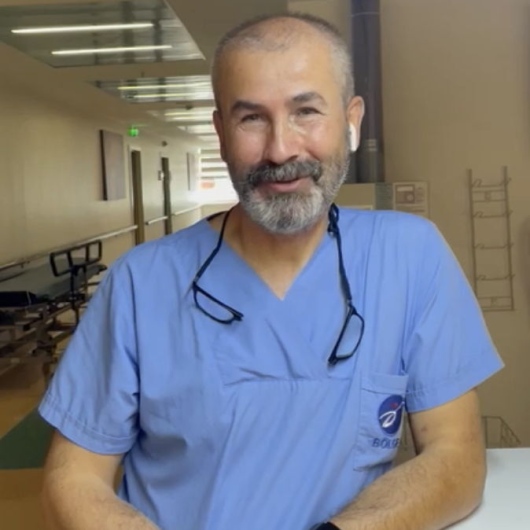
Наша команда

Часто задаваемые вопросы

Связаться с нами
Вы можете связаться с нашей командой по любым вопросам. Мы ответим вам как можно скорее.
>СвязатьсяИССЛЕДУЙТЕ НАШ БЛОГ

Eat After Gastric Sleeve Surgery: A Complete Guide for Recovery and Lasting Weight Loss
Eat After Gastric Sleeve Surgery is a significant topic for those aiming to maintain long-term weight loss and build a healthier lifestyle. After the procedure, your eating habits will change drastically. It’s essential to follow a structured post-surgery diet to allow your stomach to heal properly and to optimize the benefits of your surgery. Understanding what foods to eat, portion sizes, and each stage of the recovery diet can help you achieve sustainable results without complications. Typically, the post-surgery diet begins with a liquid phase, transitions to pureed foods, and eventually advances to a solid food diet. What Is Gastric Sleeve Surgery? Gastric sleeve surgery, or sleeve gastrectomy, is a weight loss procedure that removes about 75% of the stomach. This smaller stomach helps patients feel full faster, reducing calorie intake and promoting significant weight loss. However, it’s important to remember that the surgery is only a tool — long-term success depends on maintaining proper eating habits and following the recommended dietary guidelines. Liquid Diet After Gastric Sleeve Immediately following surgery, patients begin a liquid-only diet to help the stomach heal. This phase typically lasts one to two weeks. During this period, it’s crucial to stay hydrated and ensure adequate protein intake. Approved liquids include: Water Broth Sugar-free gelatin Low-fat, low-sugar protein shakes Unsweetened fruit juices The main goal during this phase is hydration and supporting the healing process. Puree Stage After Gastric Sleeve After completing the liquid phase, patients transition to the puree stage, usually around two weeks post-surgery. This stage allows the stomach to adjust to soft, smooth foods. Examples of suitable foods: Pureed fruits and vegetables Mashed potatoes Low-fat yogurt Cottage cheese Soft scrambled eggs This stage generally lasts another two weeks, helping your body adapt to eating soft, nutrient-dense meals. What Foods to Avoid After Gastric Sleeve To protect your stomach and prevent irritation, avoid: Fried foods Sugary drinks High-fat snacks Processed carbohydrates Carbonated beverages Alcohol These can cause discomfort, slow down healing, and hinder your weight loss progress. Best Foods to Eat After Gastric Sleeve After surgery, focus on nutrient-dense, protein-rich foods to maintain energy and support healing. These include: Lean meats like chicken or turkey Fish Eggs Low-fat dairy products Non-starchy vegetables Whole grains (in later stages) These foods promote fullness, provide essential nutrients, and support steady weight loss. Can You Ever Eat Normal After Gastric Sleeve? Yes — but your definition of “normal” eating will change. You’ll need to eat smaller portions and choose nutrient-rich foods. Overeating or consuming unhealthy foods can cause discomfort or even lead to weight regain. Remember: mindful eating is key to maintaining long-term success. What Can I Eat 2 Weeks After Gastric Sleeve? At two weeks post-surgery, you’ll likely transition from liquids to pureed foods. Focus on soft, high-protein, easy-to-digest meals such as: Pureed meats Blended soups Smooth yogurt Mashed vegetables What Can I Eat 3 Weeks After Gastric Sleeve? By week three, you can begin adding soft, solid foods into your diet. Good options include: Soft-cooked eggs Tender meats Low-fat cheese Soft fruits (without skins) Always eat slowly and chew thoroughly to avoid discomfort. How Long Is the Liquid Diet After Gastric Sleeve? The liquid diet phase usually lasts for 1–2 weeks post-surgery. It’s important to follow this phase carefully to allow your stomach to heal properly and reduce the risk of complications. Can I Drink Alcohol After Gastric Sleeve? It’s recommended to avoid alcohol for at least six months after surgery. Alcohol can irritate the stomach lining and contains empty calories that may interfere with your weight loss goals. Can I Eat Pizza After Gastric Sleeve? Traditional pizza—especially greasy, high-calorie versions—should be avoided. However, once your diet progresses and your stomach is fully healed, you can occasionally enjoy healthier pizza alternatives. Final Thoughts Learning how to eat after gastric sleeve surgery is essential for achieving and maintaining successful weight loss. By following your surgeon’s and dietitian’s guidelines—progressing gradually from liquids to solids, eating slowly, and focusing on nutrition—you’ll ensure long-term success and improved health. Remember, this surgery is just the beginning of your journey toward a healthier lifestyle.

Gastric Sleeve vs. Gastric Bypass: 7 Key Differences to Choose the Best Weight Loss Surgery for You
Feeling stuck in the weight-loss loop? You’ve tried everything — diets, workouts, supplements — yet lasting results still seem out of reach. Now, you’re ready for something truly effective and life-changing. That’s when two powerful solutions stand out: Gastric Sleeve and Gastric Bypass. So what’s the real difference? Which one fits you best? Let’s break it down clearly and simply so you can make an informed and confident choice. What Is Gastric Sleeve Surgery? (Also Known as Sleeve Gastrectomy) Imagine your stomach as a stretchy balloon. During gastric sleeve surgery, about 80% of that balloon is reshaped into a smaller, banana-sized sleeve. This smaller stomach helps you feel full faster, eat less, and experience fewer hunger signals thanks to natural hormonal changes — all supporting steady, healthy weight loss. Key Benefits of Gastric Sleeve: A straightforward and effective procedure No rerouting of the intestines Smooth and quick recovery Encourages consistent, sustainable weight loss Excellent option for those starting their weight-loss journey Best for: Individuals looking for a streamlined approach with lasting results. What Is Gastric Bypass Surgery? Gastric bypass takes weight loss surgery a step further with a more advanced technique. The surgeon creates a small pouch from your stomach and connects it directly to your small intestine. This reduces how much food you can eat and also limits calorie absorption. This method can lead to remarkable improvements in overall health, especially for people with conditions like type 2 diabetes. Key Benefits of Gastric Bypass: Significant and long-lasting weight loss Improved blood sugar control Proven long-term results Increased energy levels Strong option for patients with higher BMI Best for: Individuals seeking more comprehensive metabolic results. Gastric Sleeve vs. Gastric Bypass Both procedures aim to support long-term weight loss and improved health. The right choice depends on: Your health condition BMI level Weight-loss goals Doctor’s recommendation How to Choose the Right Surgery Consider these questions: Do you have health conditions like diabetes or sleep apnea? What are your long-term health goals? How quickly do you want to lose weight? What does your bariatric surgeon recommend? A consultation with a certified bariatric surgeon will help determine the most suitable option for your situation. Final Thoughts Whether you choose gastric sleeve or gastric bypass, both procedures offer the potential for life-changing transformation. You’re not just losing weight — you’re investing in your health, mobility, and confidence. Taking the first step toward surgery means taking control of your future. FAQs Is gastric sleeve effective for long-term weight loss? Yes, it’s one of the most effective bariatric procedures for sustained weight loss. Can gastric bypass help with diabetes? Yes, it often significantly improves blood sugar control. How long is recovery? Typically 2–3 weeks for sleeve and slightly longer for bypass. Will I need vitamins after surgery? Yes, vitamin supplementation is usually necessary.

How Long Does a Gastric Sleeve Surgery Take? (Full Timeline, Recovery & Expert Tips)
Gastric sleeve surgery, also known as sleeve gastrectomy, is one of the most popular and effective weight-loss surgeries today. It works by reducing the stomach size, helping patients feel full sooner and consume fewer calories. Many people preparing for this procedure ask one important question: How long does a gastric sleeve surgery take? Let’s explore the full timeline. Understanding the Procedure During gastric sleeve surgery, surgeons remove about 75–80% of the stomach, creating a narrow sleeve-shaped stomach. This reduces food intake and lowers hunger hormones like ghrelin, helping patients manage appetite more easily. Surgery Duration The operation itself is relatively quick. Average surgery time: About 60 minutes (1 hour). However, several factors can influence this time: Surgeon’s experience Patient’s health condition BMI level Surgical technique used Most procedures today are performed laparoscopically, meaning small incisions and faster recovery. Hospital Stay Patients typically stay 1–2 days in the hospital after surgery. During this time doctors monitor: Hydration Pain levels Healing progress Early mobility Recovery Timeline Recovery progresses in stages. Week 1 Liquid diet Focus on hydration Weeks 2–4 Pureed and soft foods Gradual digestion adaptation Month 2 Slowly reintroducing solid foods Month 3–6 Establishing long-term healthy eating habits Most patients return to normal activities within 4–6 weeks. Long-Term Results Patients usually lose a significant portion of excess weight during the first 12 months. Success improves when combined with: Regular exercise Balanced nutrition Medical follow-ups Conclusion Although the surgery itself lasts around one hour, the full transformation journey continues for months. Understanding the process helps you prepare mentally and physically for successful results.